Maltese
Figolli (Maltese Easter Almond Pastries)
Malta's iconic Easter sweet - two layers of pastry filled with almond paste, baked and decorated with colourful icing and a chocolate egg on top.
Malta's iconic Easter sweet - two layers of pastry filled with almond paste, baked and decorated with colourful icing and a chocolate egg on top.
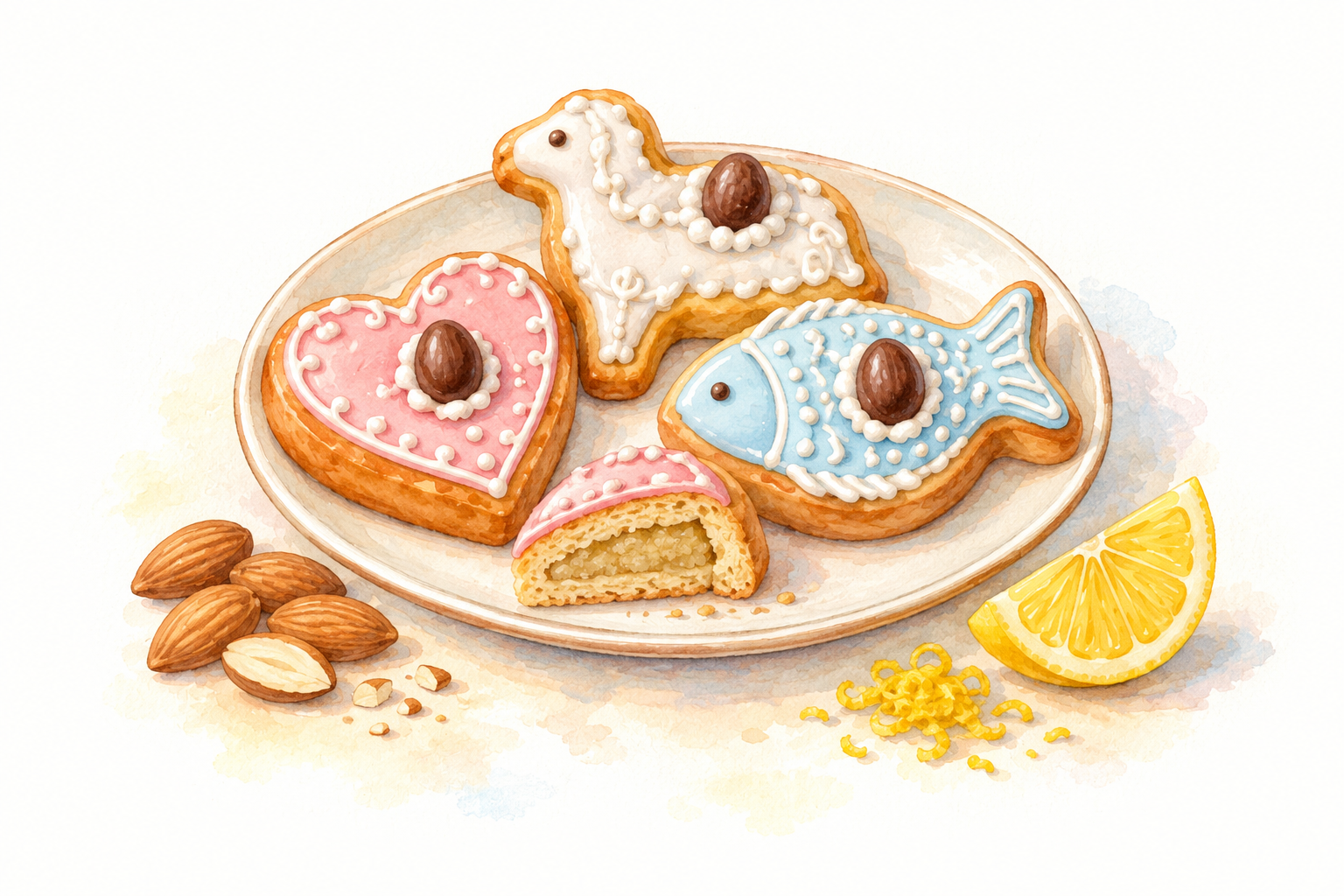
Bright, satisfying and built for real life.
This recipe brings together the generous flavours of Maltese cooking in a format that works on a busy day. Read through the method before starting and adjust seasoning to your taste.
Ingredient notes & swaps
- Caster sugar is superfine sugar; icing sugar is powdered or confectioners' sugar. Keep the two separate in the pastry, filling, and icing. Use unsweetened ground almonds or finely ground almond flour for the filling, not marzipan, which already contains sugar. Plain flour is all-purpose flour. See the baking ingredient guide for more label differences.
The recipe
Figolli (Maltese Easter Almond Pastries)
Ingredients
Ingredients
Method
- 1
Make the pastry: Rub the cold cubed butter into the flour using your fingertips until the mixture resembles fine breadcrumbs. Stir in the caster sugar and lemon zest. Add the egg yolks and whole egg and bring together into a smooth dough - only add a tablespoon or two of cold water if absolutely necessary. The dough should be firm but pliable. Wrap in cling film and chill for 30-60 minutes.
- 2
Make almond filling: In a bowl, mix together the ground almonds and icing sugar. Add the egg whites, lemon zest, and almond essence if using. Mix well until it forms a soft but firm paste that holds together. Divide the mixture into 6-8 portions (depending on the size of your figolli) and shape each portion into a flattened oval or shape that matches your chosen template, making it slightly smaller than the pastry shapes to allow for a border.
- 3
Shape the figolli: Roll the chilled pastry on a lightly floured surface to about 4-5mm thickness. Cut out shapes using metal cutters or a paper template - traditional shapes include lambs, fish, hearts, or baskets. You need two identical shapes per figolla. Place one pastry shape on a lined baking tray. Place the shaped almond filling onto the center, leaving a border of about 1-2cm around the edges. Brush the edges lightly with water. Carefully place the second pastry shape on top and press the edges firmly together to seal. You can crimp the edges decoratively with a fork if desired.
- 4
Bake: Preheat oven to 180°C (fan 170°C). Bake the figolli for 20-25 minutes until lightly golden - be careful not to overbake as they should remain pale rather than deeply browned. Remove from oven and allow to cool completely on a wire rack before decorating.
- 5
Decorate: Whisk the egg whites until frothy, then gradually add the icing sugar, whisking continuously, to form a thick royal icing. The consistency should be spreadable but not runny. Divide into bowls and add food colouring as desired - traditional colours include pastel pink, yellow, green, and blue. Spread the white or coloured icing over the cooled figolli, leaving the edges visible if you prefer. While the icing is still soft, place a small chocolate egg in the centre. You can pipe decorative patterns with different colours if desired. Allow the icing to set fully before serving - this takes 2-3 hours at room temperature.
Figolli are Malta's iconic Easter sweet - beautiful pastries made from two layers of shortcrust filled with rich almond paste, baked until golden, then decorated with colourful royal icing and crowned with a chocolate egg. They're traditionally shaped like lambs, fish, hearts, or Easter baskets, each shape carrying symbolic meaning for the Easter celebration.
Ingredient Substitutions Outside Malta
Caster sugar is superfine sugar; icing sugar is powdered or confectioners' sugar. Keep the two separate in the pastry, filling, and icing. Use unsweetened ground almonds or finely ground almond flour for the filling, not marzipan, which already contains sugar. Plain flour is all-purpose flour. See the baking ingredient guide for more label differences.
Serving Suggestions
- Best eaten within a few days of making
- Store in an airtight container at room temperature
- Often gifted to children at Easter
- Beautiful as an Easter table centerpiece
- Can be individually wrapped in cellophane as gifts
- Traditionally served on Easter Sunday after Lent
Traditional Notes & Tips
- The lamb shape represents Christ, the Lamb of God
- Fish represents Christian faith and baptism
- Hearts symbolize love and devotion
- Baskets represent Easter offerings
- Older traditional recipes sometimes coat figolli in melted chocolate instead of royal icing
- Bakeries often make very large decorative versions as window displays
- The almond filling should be moist but not wet - it shouldn't ooze out during baking
- Make sure edges are well sealed or the filling will leak
- Don't roll the pastry too thin or it will break
- The pastry should be pale golden, not brown - overbaking makes it hard
- Some families add a drop of rose water to the almond filling
- Royal icing sets hard, creating a sweet shell over the pastry
- Figolli are traditionally made during Holy Week
- Children often help with decorating, making it a family Easter activity
- Templates for shapes can be found online or made from cardboard
- The chocolate egg must be placed while icing is wet or it won't stick
- Can be made ahead - they keep well for 4-5 days
- Some bakers brush the pastry with egg wash before baking for extra colour
- The combination of sweet pastry and almond filling is very rich
Recipe adapted from Maltese Recipes.
Storage
No specific storage guidance is provided in the source recipe.
Freezing
Check the recipe notes for any dish-specific freezing guidance.
Reheating
Follow current food-safety guidance and reheat cooked food thoroughly where appropriate.
Keep cooking
You might also like
 38 min
Maltese · Stovetop
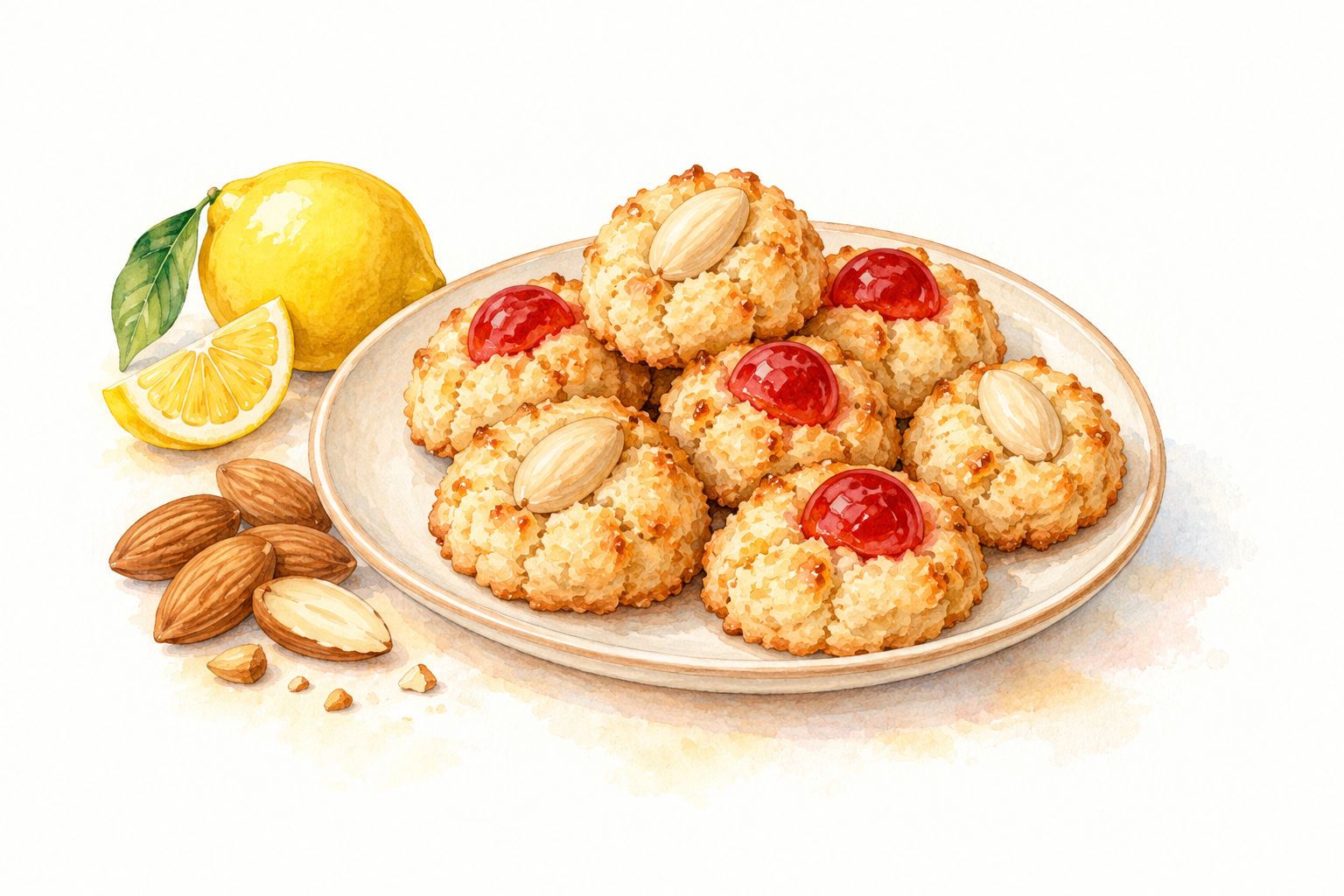
Biskuttini tal-Lewż (Maltese Almond Macaroons)
Traditional Maltese almond macaroons with a crisp outside and chewy centre. Simple, fragrant, and often served for celebrations.
 45 min
Maltese · Stovetop
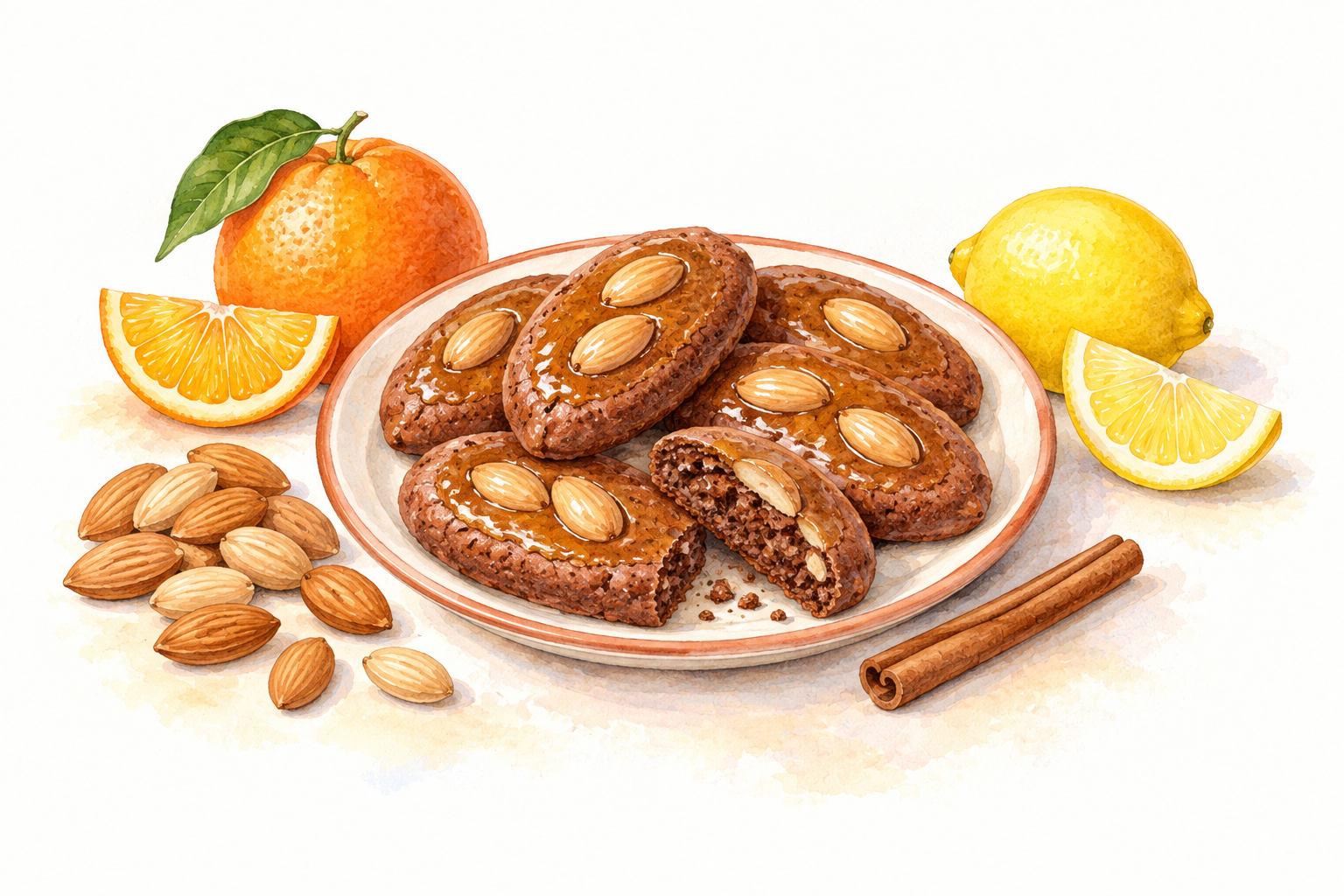
Kwareżimal (Maltese Lenten Biscuits)
Traditional Maltese Lenten biscuits made without eggs, butter, or dairy. Dense, aromatic, and rich with almonds, citrus, and warm spices.
 65 min
Maltese · Oven
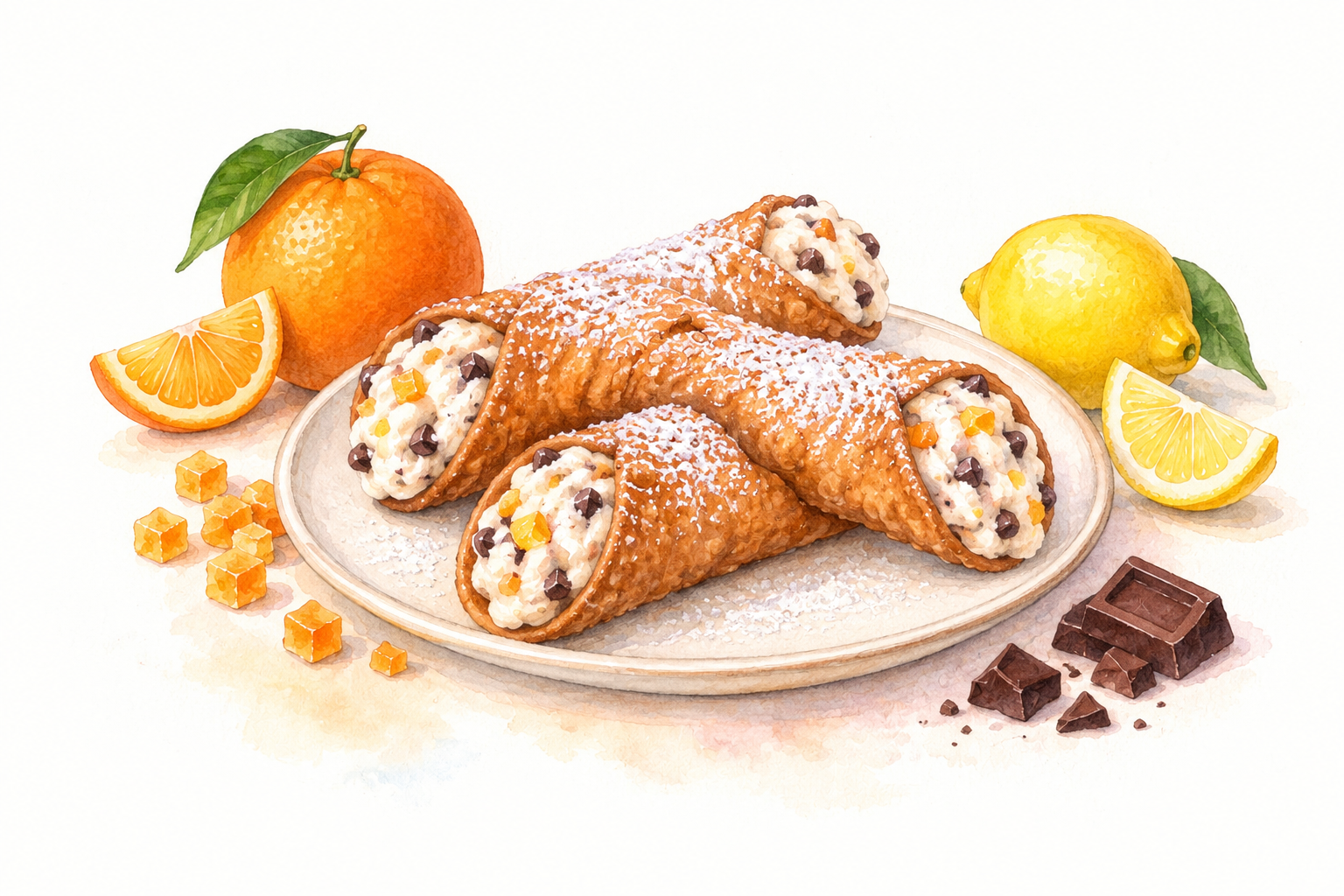
Kannoli Maltin (Maltese Cannoli)
Crisp pastry tubes filled with sweet ricotta, citrus zest, chocolate, and candied peel. A Maltese bakery favourite with Sicilian roots.