Maltese
Ħobż Malti (Maltese Bread)
Ħobż Malti is the crusty bread served with Maltese soups, dips, and sandwiches. This approachable home version uses dried yeast and two rises; it…
Bake a crusty Maltese-style loaf with bread flour, dried yeast, and two rises. This home version of ħobż Malti needs no sourdough starter.
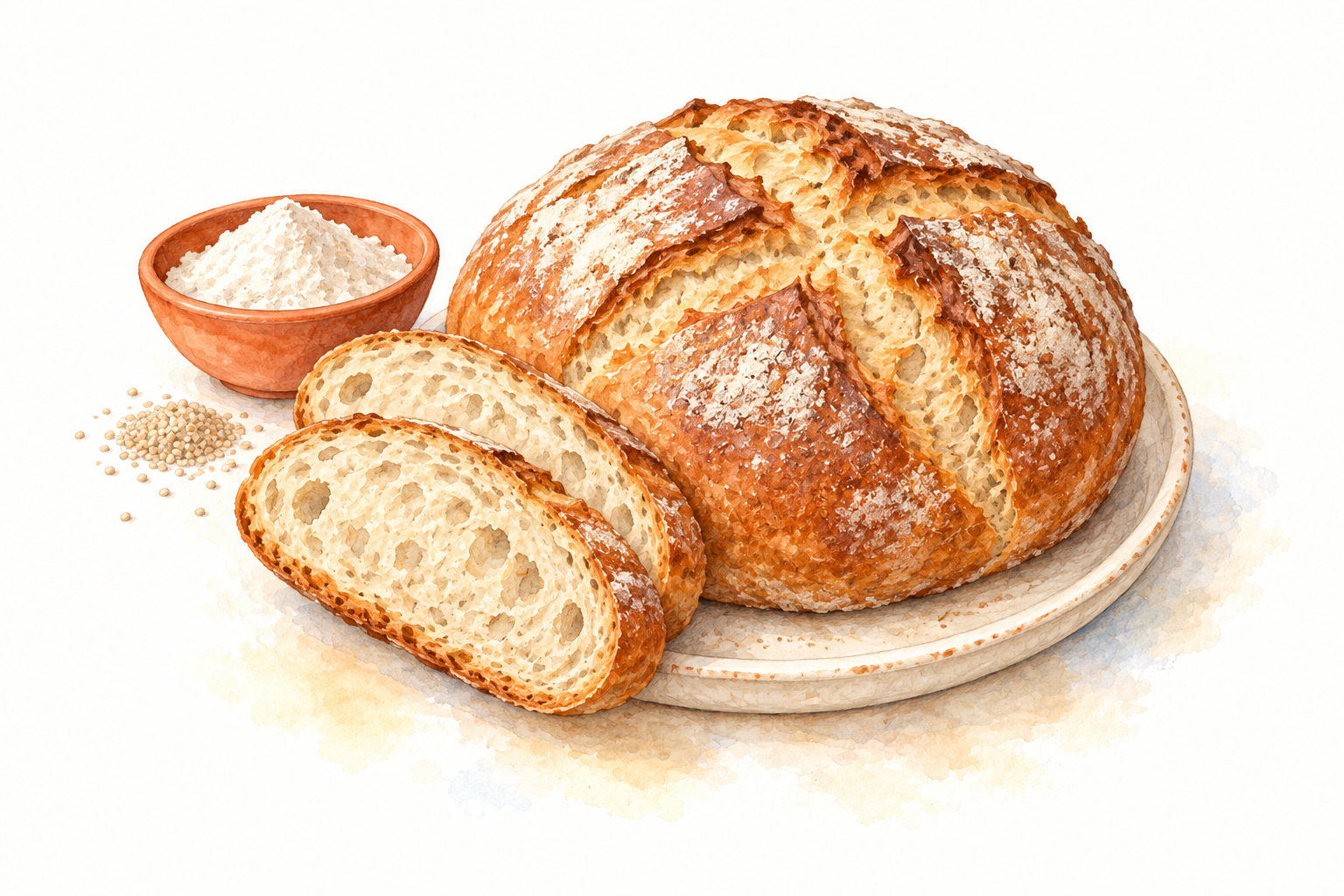
Bright, satisfying and built for real life.
This recipe brings together the generous flavours of Maltese cooking in a format that works on a busy day. Read through the method before starting and adjust seasoning to your taste.
Ingredient notes & swaps
- Strong flour may simply be labelled bread flour. Ordinary plain or all-purpose flour can give a softer dough and a less open crumb; start with the lower water quantity if using it. Do not substitute self-raising flour. Active dry yeast is different from instant yeast. Check the manufacturer's conversion and activation instructions rather than assuming every sachet is interchangeable. A sourdough starter also needs its own formula and schedule, not a spoon-for-spoon swap.
The recipe
Ħobż Malti (Maltese Bread)
Ingredients
Ingredients
Method
- 1
Make the dough: Mix the flour, yeast, salt, and sugar in a large bowl. Add the lukewarm water and olive oil, then mix to a sticky dough.
- 2
Knead: Knead for 10 minutes until smooth and elastic. The dough should remain slightly tacky rather than dry.
- 3
First rise: Cover and leave to rise for 1-2 hours, until doubled.
- 4
Shape: Turn the dough onto a floured surface, shape into a round loaf, and place on a floured tray. Cover and rise again for 30-45 minutes.
- 5
Bake: Preheat the oven to 230°C (fan 210°C). Slash the top of the loaf, place in the oven, and bake for 30-35 minutes until deeply browned and hollow-sounding when tapped. Cool before slicing.
What Is Maltese Bread?
Ħobż Malti is the crusty Maltese loaf used for sandwiches, dips, and serving with soup or stew. You may see its name written without Maltese letters as hobz malti. The recipe above makes a round home loaf with instant yeast; it is not a sourdough formula.
Maltese Bread, Ftira, and Ħobż biż-Żejt
- Ħobż Malti: The loaf you are baking here. Cool it before slicing for a sandwich or the table.
- Ftira: A flattened bread with its own tradition. UNESCO's account of Maltese ftira describes sourdough bread and the skills involved in making it.
- Ftira Għawdxija: Our Gozitan ftira recipe is a topped bake with potatoes and savoury additions, rather than this round loaf.
- Ħobż biż-Żejt: A way to prepare bread with tomato, oil, and toppings. Use slices of your cooled loaf for our tuna and tomato version.
How Long Does This Loaf Take?
Allow roughly 2½-4 hours before cooling, depending on the rises. The recipe includes about 30 minutes of hands-on preparation, a 1-2 hour first rise, a 30-45 minute second rise, and 30-35 minutes in the oven. A cold kitchen can make the rising stages longer.
Start with the dough rather than preheating the oven immediately. Heat the oven towards the end of the second rise, and leave time for the finished loaf to cool before slicing. The rise and bake are separate stages; the 30-minute preparation figure is not the total time.
Ingredient Guide
- Strong bread flour: This helps the dough develop enough structure to hold its shape and trap the gas produced during rising.
- Instant dried yeast: Mix it into the flour as written. Other yeast products may need different preparation; follow their packet directions.
- Water: Start with 330ml and add more gradually if the flour takes it up. The full 360ml is not compulsory.
- Salt: This seasons the whole loaf; measure it rather than estimating a pinch.
- Olive oil: The small amount enriches this home dough without turning it into a rich, soft roll.
Ingredient Substitutions Outside Malta
Strong flour may simply be labelled bread flour. Ordinary plain or all-purpose flour can give a softer dough and a less open crumb; start with the lower water quantity if using it. Do not substitute self-raising flour.
Active dry yeast is different from instant yeast. Check the manufacturer's conversion and activation instructions rather than assuming every sachet is interchangeable. A sourdough starter also needs its own formula and schedule, not a spoon-for-spoon swap.
Tips for Dough, Rise, and Crust
- Expect a slightly sticky dough. Lightly flour your hands or use a scraper instead of repeatedly adding flour to the dough.
- Knead until elastic before the first rise. If the dough tears, give it a short covered rest and continue gently.
- Judge the first rise by the increase in volume. A cool kitchen can take longer than two hours; a warm kitchen can be quicker.
- Shape without pressing out every air bubble, and give the loaf room to expand on the tray.
- Preheat the oven fully. Cool the baked loaf on a rack so steam can escape from underneath.
How to Serve Ħobż Malti
Spread with Bigilla, turn slices into Ħobż biż-Żejt, or serve beside Brodu. Our baking and pastry collection includes more Maltese dough projects.
Storage and Freezing
Cool completely before wrapping. Keep the bread covered at room temperature for short-term use; wrapping preserves the crumb but softens the crust. Slice and freeze what you will not use soon, then toast individual slices from frozen. See King Arthur Baking's bread-storage guidance.
Use sound, day-old bread for toast or Pudina tal-Ħobż.
Frequently Asked Questions
Is this a sourdough recipe?
No. It uses instant dried yeast for a same-day home loaf. The flavour and fermentation will differ from a loaf made with a sourdough starter.
Why is my loaf dense?
Common causes include too much flour, insufficient kneading, or baking before the dough has risen enough. Check that the yeast is within date and that the water was lukewarm, not hot.
Why is the crumb gummy?
The loaf may have been cut while hot or taken out before it was fully baked. Let it cool on a rack and check the bake as well as the colour of the top crust.
Recipe adapted from Maltese Recipes.
Storage
No specific storage guidance is provided in the source recipe.
Freezing
Check the recipe notes for any dish-specific freezing guidance.
Reheating
Follow current food-safety guidance and reheat cooked food thoroughly where appropriate.
Keep cooking
You might also like
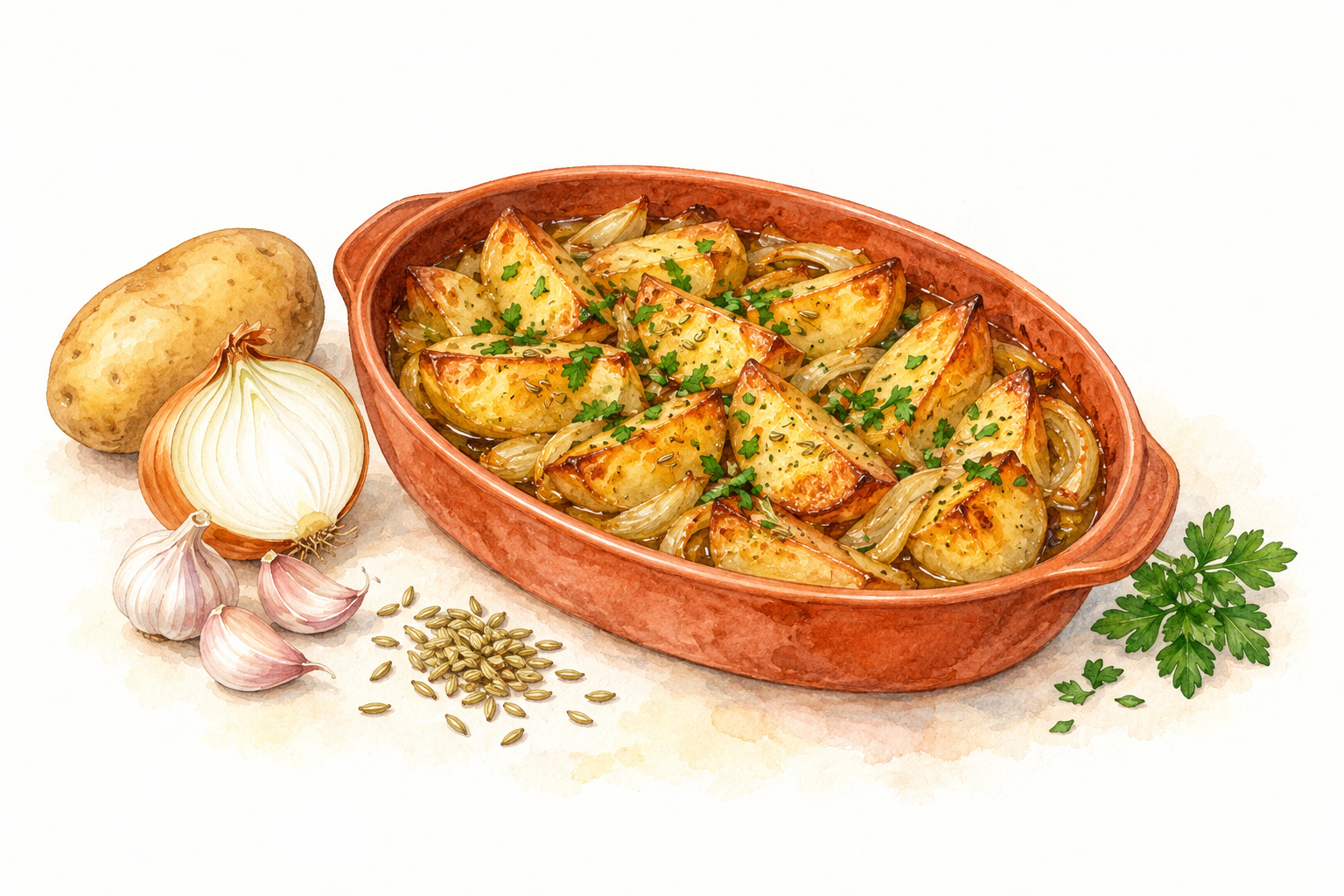 90 min
Maltese · Oven
Patata l-Forn (Maltese Roast Potatoes)
Maltese oven-roasted potatoes with onion, garlic, stock, fennel seed, and olive oil. Golden on top, tender underneath, and full of Sunday lunch flavour.
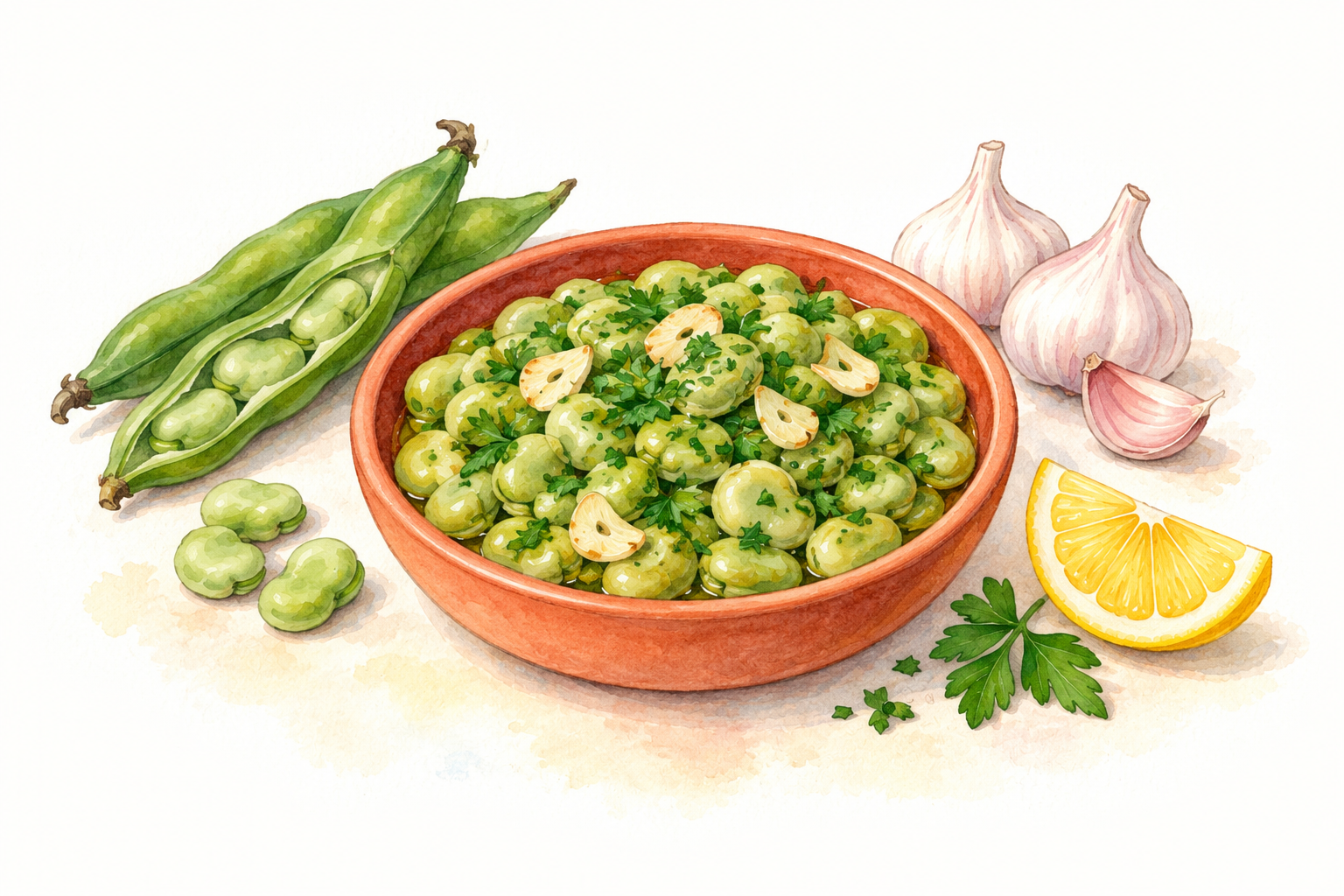 30 min
Maltese · Stovetop
Ful bit-Tewm (Broad Beans with Garlic)
A simple Maltese broad bean dish with garlic, olive oil, lemon, and parsley. Rustic, fresh, and full of spring flavour.
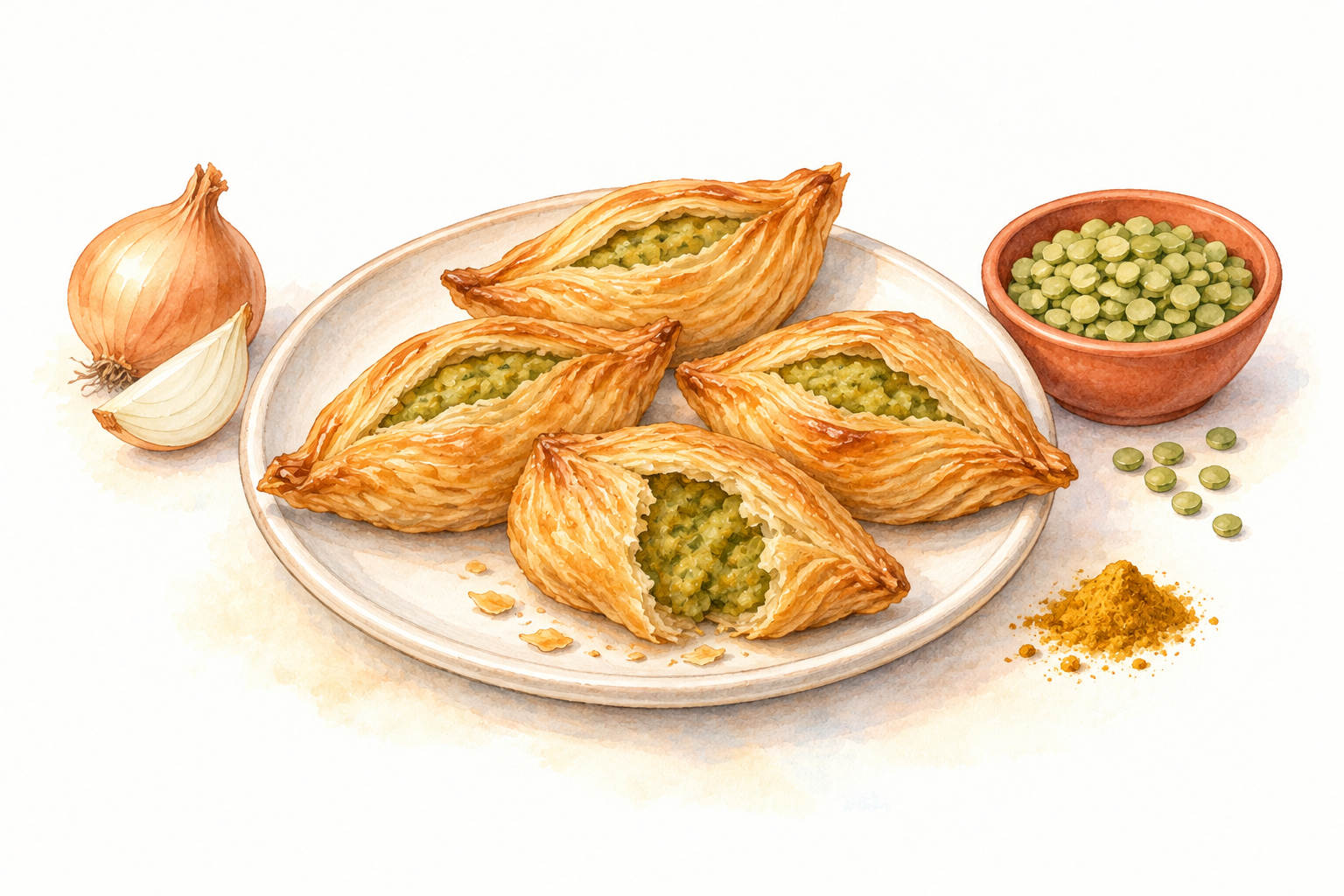 115 min
Maltese · Oven
Pastizzi tal-Piżelli (Maltese Pea Pastries)
Classic Maltese flaky pastries filled with spiced mushy peas. Crisp, savoury, and a favourite from every pastizzeria.